等一颗种子发芽
Waiting for a Seed to Grow
Page 1
土里什么也看不见
Nothing to See Yet
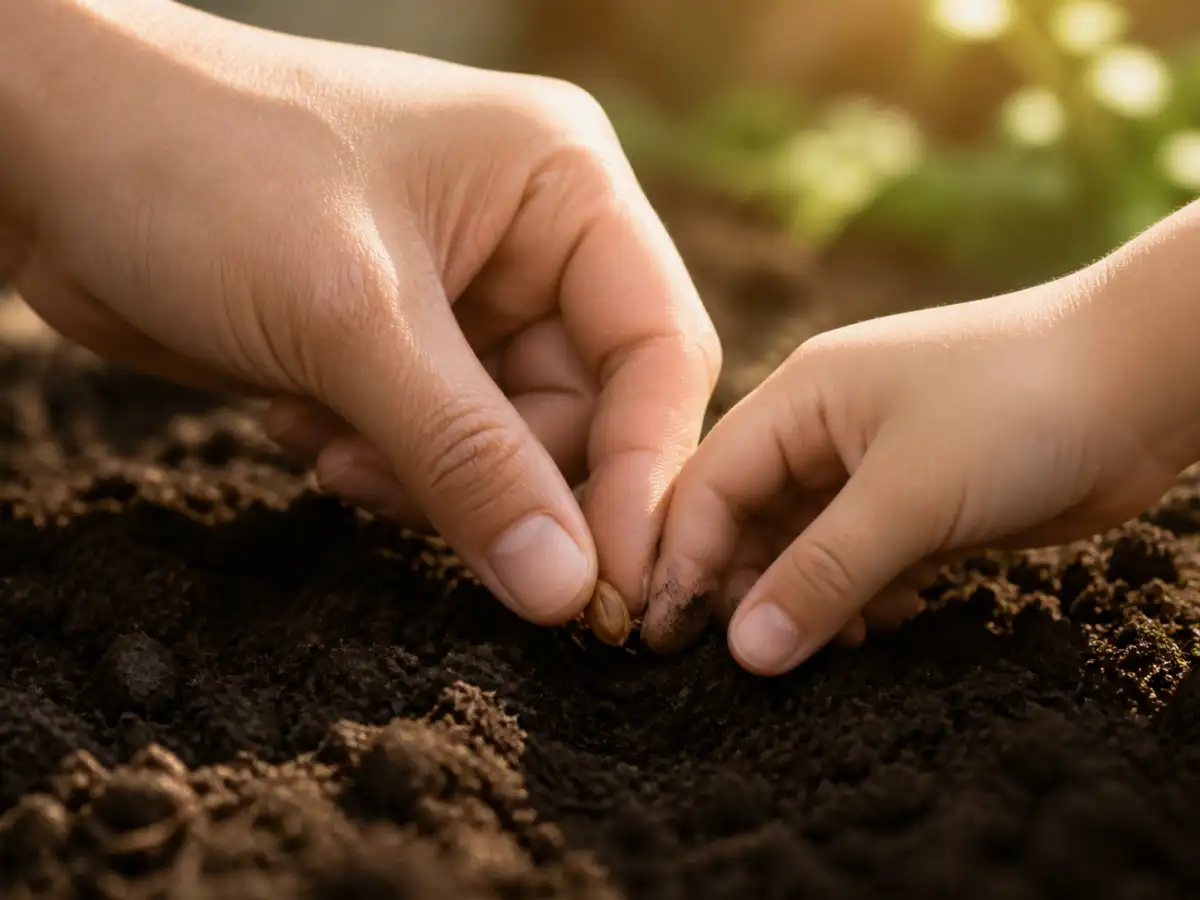
Planting a seed is only the beginning of caring for it.
小安把一颗豆子埋进花盆。她浇了一点水,把花盆放在温暖的窗边。
第二天,她跑去看。只有黑黑的土。第三天,还是没有绿色的小芽。
“它坏了吗?”小安想把豆子挖出来看看。可是挖来挖去,可能会伤到它。她把手收了回来。
这是今天编的小故事,不是古书里真的发生过的事。
Ann plants a bean in a flowerpot. She gives it a little water and sets it by a warm window.
The next day, she looks. All she sees is dark soil. On the third day, there is still no green shoot.
“Is something wrong?” Ann wants to dig up the bean and check. But digging could hurt it. She pulls her hand back.
This is a story made for readers today. It is not an event from an ancient book.
Page 2
泥土下面正在发生什么?
What Is Happening Under the Soil?
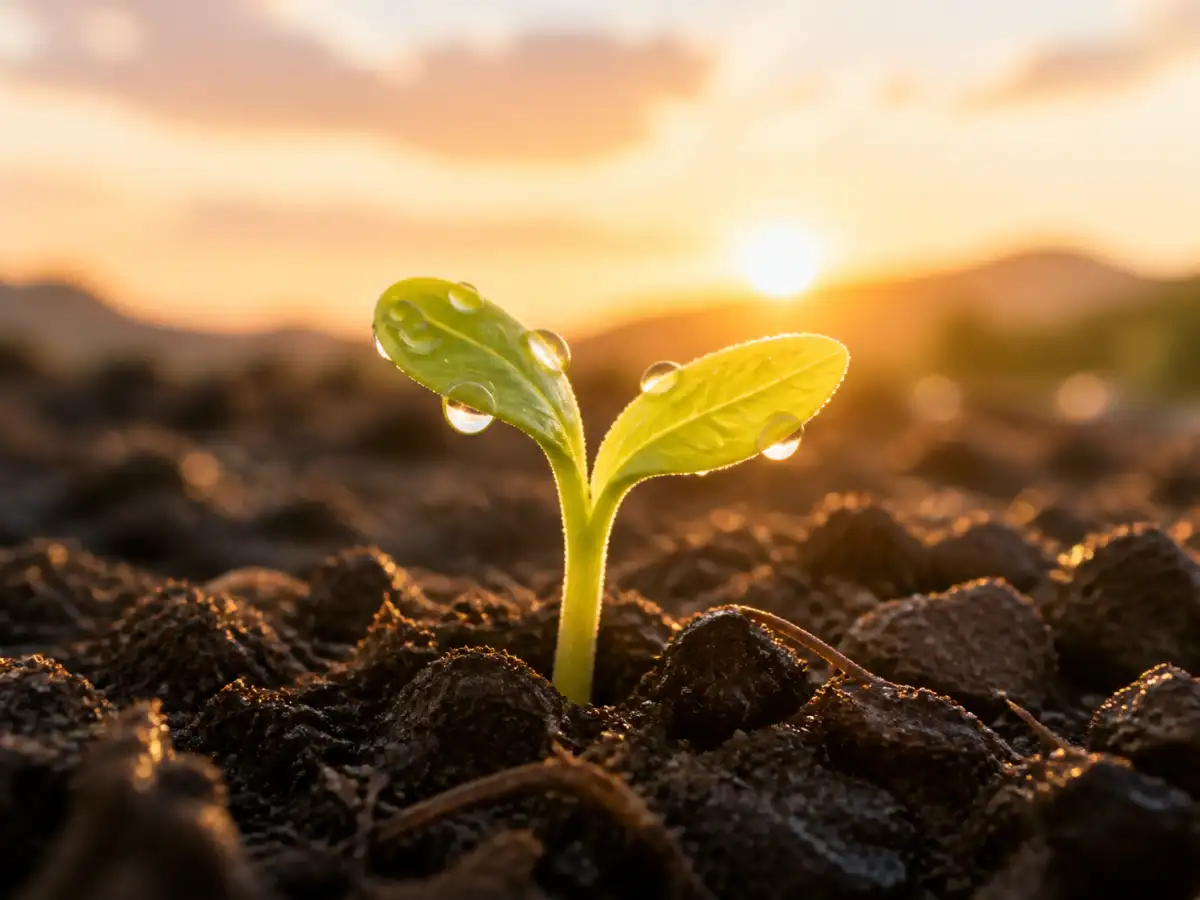
A seed may already be changing before we can see a shoot.
花盆看起来很安静。泥土下面,豆子可能正在吸水。种皮慢慢变软,小小的根通常先长出来,幼芽后来才会向上。
种子需要水、空气和合适的温度。水太少不好,太多也不好。小安让泥土保持湿润,却没有把它变成一个水坑。
她不能命令豆子:“现在就长!”她能做的是好好照料,然后给它时间。
The flowerpot looks quiet. Under the soil, the bean may be taking in water. Its coat begins to soften. A tiny root usually comes first. The shoot grows upward later.
Seeds need water, air, and the right temperature. Too little water can be a problem, but so can too much. Ann keeps the soil damp without turning it into a puddle.
She cannot order the bean, “Grow right now!” She can give it good care and then give it time.
Page 3
帮助不是用力拉
Helping Is Not Pulling
《道德经》是一部很古老的书。它说,大树也是从小小的开端长起来的,很远的路也从第一步开始。
另一本古书《孟子》讲过一个人。他嫌田里的小苗长得太慢,就把每一棵都向上拉。第二天,小苗全都枯了。
这个人很忙,却没有真正帮助小苗。照料是给植物需要的东西。强迫是要它跳过不能跳过的过程。
The Dao De Jing is a very old book. It reminds us that a huge tree begins very small and that a long journey begins with one step.
Another old book, the Mencius, tells about a man who thought his young plants were growing too slowly. He pulled every shoot higher. The plants wilted.
The man worked hard, but he did not truly help. Care gives a living thing what it needs. Force tries to make it skip a step that cannot be skipped.
绿色的小芽
A Green Shoot
过了一些日子,小安看见绿色的小芽顶开泥土。她没有让豆子发芽,也不是什么都没做。
她给了水、空气、温暖和照料。然后,她没有把小芽往上拉。
有时候,真正的帮助就是:做该做的事,再给成长一点时间。
After some time, Ann sees a green shoot push through the soil. She did not make the bean sprout, but she did not do nothing either.
She gave it water, air, warmth, and care. Then she did not pull on it.
Sometimes real help means doing what is needed - and giving growth enough time.
一颗种子教我们慢慢来
What a Seed Can Teach Us About Time
Page 1
第三天,还是一片泥土
Day Three: Still Just Soil
After planting a bean, Ann can care for it - but she cannot order it to grow.
小安把一颗豆子埋进花盆,浇水以后放到温暖的窗边。第二天,她只看见黑土。第三天,还是没有绿色的芽。
她很想挖开泥土检查,又担心伤到豆子,只好把手缩回来。这个小安是为了帮助今天的读者而设计的人物,不是古书里的孩子。
花盆安安静静,泥土下面却可能已经开始变化。种子吸收水分,种皮变软,胚重新生长,通常先伸出幼根。不同种子需要的条件和时间不同,但水、氧气和合适的温度都很重要。水太多会挤走土里的空气,也可能让种子腐烂。
小安能做的是保持泥土湿润,提供空气和温暖,然后等待。等待不是放弃,而是照料以后,不去破坏正在发生的过程。
Ann plants a bean in a flowerpot, waters it, and sets it by a warm window. The next day, she sees only dark soil. On day three, there is still no green shoot.
She wants to dig into the pot and check, but that might damage the bean. She pulls her hand away. Ann is a character created to help readers today; she is not a child from an ancient book.
The pot looks still, but the seed may already be changing. It takes in water, its coat softens, and the tiny plant inside begins growing again. A young root usually appears before the shoot. Different seeds need different conditions and amounts of time, but water, oxygen, and a suitable temperature all matter. Too much water can push air from the soil and help a seed rot.
Ann can keep the soil damp, provide warmth and air, and wait. Waiting is not giving up. It is caring for a process without disturbing it.
Page 2
大树也从小处开始
Even a Great Tree Begins Small
Great changes often grow from beginnings that are easy to miss.
《道德经》第六十四章说,一棵需要双臂合抱的大树,也从很小的萌芽开始;千里远行,也从脚下第一步开始。这不是植物学课,而是用大树和道路提醒我们:开端很小,不代表它没有意义。
同一章还谈到帮助万物按照自身的方式发展,不急着强迫。这和“无为”有关。“无为”不是躺着什么都不做,也不是只要等待就一定成功。它提醒人少一点强迫和过度控制,先看清条件,再行动。
《孟子》里还有一个不同的故事。古代宋国有个人嫌小苗长得慢,就把每棵苗都向上拔,结果苗全枯了。这个故事来自《孟子》,不是《道德经》;两位思想家的观点也不能混成一套。不过,它让“照料”和“强迫”的差别变得很清楚。
Chapter 64 of the Dao De Jing says that a tree wide enough to fill your arms begins as something tiny, and that a journey of a thousand li begins beneath your feet. These are not botany or travel instructions. The images remind us that a small beginning can still matter.
The same chapter speaks about helping things develop in their own way instead of rushing to force them. This idea connects with wuwei. Wuwei does not mean lying around and doing nothing, and it does not promise that waiting will make every wish come true. It points away from needless force and too much control.
A different old book, the Mencius, tells of a man in the ancient state of Song who worried that his shoots were growing too slowly. He pulled each one higher, and they withered. The story is not from the Dao De Jing, and Mencius and Laozi should not be blended into one thinker. Still, the ruined shoots make the difference between care and force easy to see.
Page 3
竹子没有第五年闹钟
Bamboo Has No Five-Year Alarm Clock

New bamboo shoots can rise from underground stems. The real biology is remarkable enough.
网上常有一个故事,说“神奇的中国竹子”四年几乎不长,第五年突然冲向天空,因为它一直在地下扎根。这个故事很鼓舞人,却不是可靠的植物知识。
竹子有许多种,生长速度各不相同。竹子是草,不是树。竹林地下有叫根状茎的横向茎,新笋会从那里长出。成熟竹林的新竹秆确实可能在几周内长到接近当年的高度,但没有所有竹子都遵守的第五年时钟。
真实故事已经很精彩:地面上看见一根根竹子,地下却可能彼此相连;春天的快速生长也依靠成熟竹林储存的能量。我们可以借竹子想到“看不见的准备”,只要说明这是一种现代联想,不是古书里的竹子知识。
A popular story says that a magical “Chinese bamboo tree” barely grows for four years and then shoots into the sky in year five because it has spent all that time making roots. The message sounds inspiring. The biology is not dependable.
There are many kinds of bamboo, and they do not share one schedule. Bamboo is a grass, not a tree. Underground stems called rhizomes spread beneath a grove, and new shoots grow from them. A new culm in a mature grove may reach almost all of that year's height within weeks, but bamboo has no five-year alarm clock.
The real story is remarkable enough. Separate culms above ground may be connected below it. Fast spring growth can draw on energy stored by an established plant. Bamboo may remind us that unseen preparation matters, as long as we say honestly that this is a modern reflection, not bamboo science from an ancient book.
做需要的事,再松开手
Do What Is Needed, Then Loosen Your Grip
种子发芽是生物过程;大树从小芽开始,是《道德经》用来思考变化的比喻。科学不能替哲学证明答案,哲学也不能代替植物学。
过了一些日子,小安看见绿色的芽顶开泥土。她没有命令豆子发芽,却也不是毫无作为。她给了水、空气、温暖和照料,然后没有把它往上拉。
这可以成为理解“无为”的一个小起点:做真正需要的事,不把帮助变成强迫。
Germination is a biological process. A great tree growing from a tiny beginning is a philosophical image in the Dao De Jing. Science cannot prove a philosophy for us, and philosophy cannot replace plant science.
After some time, Ann sees a green shoot lift the soil. She did not order the bean to sprout, but she was not inactive. She gave it water, air, warmth, and care - and she did not pull on it.
That can be one small doorway into wuwei: do what is truly needed without turning help into force.
一颗种子的耐心:照料,而不强迫
The Patience of a Seed: Care Without Forcing
Page 1
第一天,什么也看不见
Day One: Nothing to See
Placing the seed in soil is only the beginning of caring for it.
先想象一个今天的场景。这是为了帮助理解而设计的现代例子,不是古书里的故事。
小安把一颗豆子埋进花盆,浇了一点水,又把花盆放到温暖的窗边。第二天,她跑去看:只有一片黑黑的土。第三天,还是没有绿色的小芽。
“它是不是坏了?”小安问。她很想把豆子挖出来检查,又怕伤到它,只好把手缩回来。
从外面看,花盆安安静静;在泥土下面,种子却可能已经吸收水分。种皮慢慢变软,里面小小的胚开始恢复生长,并使用种子储存的养分。最先伸出来的通常是幼根,接着幼芽才向上生长。
不同种子需要的条件不完全相同,但水、氧气和合适的温度都很重要,有些种子还会受到光线影响。水太少,种子可能无法萌发;水太多,泥土缝隙里缺少氧气,种子也可能腐烂。
小安能做的不是站在旁边喊“快长”,而是让土保持湿润,却不要湿得像水坑;让花盆有空气,也有合适的温度。然后,等一等。这不是放弃,而是照料以后,给生命留下生长的时间。
Imagine a scene from today. This modern example was created to help explain an idea; it does not come from an ancient book.
Ann plants a bean in a flowerpot, gives it a little water, and sets it by a warm window. The next day, she checks the pot. All she sees is dark soil. On the third day, there is still no green shoot.
“What if the seed is no good?” she wonders. She wants to dig it up, but that might damage it.
The pot looks quiet. Under the soil, however, the seed may already be taking in water. Its seed coat softens. The tiny plant embryo inside begins growing again and uses stored food for energy. Usually, a young root emerges first. The shoot follows later.
Different seeds have different needs, but water, oxygen, and a suitable temperature all matter. Light also affects some kinds of seeds. Too little water can stop germination. Too much water can block oxygen and cause a seed to rot.
Ann cannot make the bean hurry. She can keep the soil damp but not swampy and give the pot air and warmth. Then she waits. She has not given up. She has cared for the living seed and given it time to grow.
Page 2
帮助,还是强迫?
Helping or Forcing?
Great changes often build from very small beginnings.
《道德经》第六十四章说:“合抱之木,生于毫末。” 意思是,一棵粗得要用双臂合抱的大树,也是从极细小的萌芽开始的。它后面还说:“千里之行,始于足下。” 再远的路,也从脚下第一步开始。
这些话不是植物学课。它们借大树和远行提醒人:很大的变化,往往从很小的开端慢慢积累。不要因为第一步很小,就以为它没有意义。
同一章最后还说:“辅万物之自然而不敢为。” “辅”是帮助。这里可以理解为:帮助万物按照它们自身的样子发展,却不急着用自己的意志强迫它们。这和“无为”有关。“无为”不是躺着什么都不做,也不保证“只要等,愿望一定会实现”。它更接近少一点强迫、占有和过度控制,先看清条件,再采取行动。
中国还有一个“揠苗助长”的故事,它出自《孟子》,不是《道德经》。宋国是统一中国以前的一个古代小国,不是后来那个宋朝。宋国有个人嫌苗长得太慢,就把每棵苗都往上拔,结果苗全枯了。孟子原本用它谈人的修养:完全不照料,就像不给田地除草;硬把苗拔高,又会伤害它。
孟子和老子的思想不能混成一套,但这个故事能帮助我们问:帮助和强迫,差在哪里?
Chapter 64 of the Dao De Jing says, “A tree large enough to fill your arms grows from a tiny sprout.” It also says, “A journey of a thousand li begins beneath your feet.” A li is an old Chinese measure of distance.
These lines are not a science lesson. They use a great tree and a long journey to show that enormous changes often build from very small beginnings. A first step does not become meaningless just because it is small.
Near the end of the chapter is another line: “Assist the natural unfolding of all things, and do not dare to force.” The exact meaning can be translated in different ways, but it connects help with restraint. This relates to wuwei. Wuwei does not mean lying around and doing nothing. It also does not promise that waiting will magically make every wish come true. It points toward acting without force, grasping, or needless control.
Another Chinese story tells of a man from the ancient state of Song - not the later Song dynasty - who pulled his field’s shoots upward because they were growing too slowly. The shoots withered. This story comes from the Mencius, not the Dao De Jing. Mencius used it while discussing moral development: ignoring growth is like failing to weed, but forcing growth destroys it.
Mencius and Laozi should not be blended into one philosophy. Still, the story helps us ask: What is the difference between helping and forcing?
Page 3
竹子没有“第五年时钟”
Bamboo Has No Five-Year Clock
New shoots can rise from underground rhizomes. The real bamboo story is astonishing enough.
人们常讲一个励志故事:某种“神奇的中国竹子”在前四年只长一点点,第五年突然冲得很高,因为前几年一直在地下扎根。这个故事很流行,却不适合当作准确的植物学知识。
真实的竹子有许多种,生长速度也不同。竹子是草,不是树。竹林地下有叫“根状茎”的横向茎;新的竹笋可以从这些地下茎长出来。成熟竹林在春天长出的新竹秆,确实可能在几周内接近当年的完整高度。但它不是一颗种子躲在土里四年后突然跳出来,也没有一个适用于所有竹子的“第五年时钟”。
竹林真正有趣的地方已经足够精彩:你看见的是一根根竹秆,地下却有彼此相连的结构;地面上的快速生长,离不开已有竹林储存的能量和合适的季节。我们可以从竹子想到“看不见的准备也重要”,但要诚实地说:这是今天的人借植物来思考,不是《道德经》对竹子生长的记载。
真正的耐心也不是“我不管了”。农人仍要播种、浇水、除草,也要留心虫害。耐心是承认:有些过程可以得到帮助,却不能被命令跳过。
A popular motivational story says that a magical “Chinese bamboo tree” barely grows for four years, then rockets upward in its fifth year because it spent all that time building roots. This is not a dependable account of bamboo biology.
There are many bamboo species, and they do not all grow on one schedule. Bamboo is a grass, not a tree. Underground stems called rhizomes spread beneath a grove, and new shoots can rise from them. In spring, a new culm in a mature grove may reach nearly its full height for that year in just a few weeks. But it is not a seed hiding underground for exactly four years and then leaping out on a five-year clock.
The real bamboo story is already astonishing. Above ground, we see separate culms. Below ground, they may be connected. Fast spring growth depends on an established plant, stored energy, and the right season.
Bamboo can remind us that unseen preparation matters. We should simply be honest about the connection: this is a modern reflection inspired by a plant, not a teaching about bamboo recorded in the Dao De Jing.
Patience does not mean “I don’t care.” Farmers still plant, water, weed, and watch for pests. Patience means accepting that some processes can be supported but cannot be ordered to skip their steps.
做该做的事,然后松开手
Do What Is Needed, Then Loosen Your Grip
种子不会替我们解释“道”,科学也不能证明某一种哲学一定正确。种子的生长是生物过程;“大树从细小萌芽开始”则是《道德经》用来思考变化的比喻。两者有关联,却不是同一件事。
这篇文章想留下的,不是“什么都别做”,而是三个问题:我有没有提供真正需要的帮助?我是不是因为着急,反而破坏了正在发生的变化?什么时候该行动,什么时候又该停止控制?
几天后,小安看见绿色的芽顶开泥土。她没有“让”豆子发芽,也不是毫无作为。她给了水、空气、温度和照料,然后没有去拔它。
这也许就是理解“无为”的一个小小起点:做该做的事,不把帮助变成强迫。
A seed cannot explain the Dao for us, and science cannot prove that one philosophy is correct. Germination is a biological process. The great tree beginning as a tiny sprout is a philosophical image in the Dao De Jing. They connect, but they are not the same thing.
The lesson is not “do nothing.” It is to ask three questions: Have I provided the help that is truly needed? Am I so impatient that I am damaging the change already underway? When should I act, and when should I stop trying to control?
Several days later, Ann sees a green shoot lift the soil. She did not command the bean to sprout, but she was not inactive. She provided water, air, warmth, and care - and she did not pull on it.
That may be one small doorway into wuwei: Do what is needed without turning help into force.